




Alberta’s Economy Poised for Growth as Oil Prices Surge, Citizen Impact Varies

966views
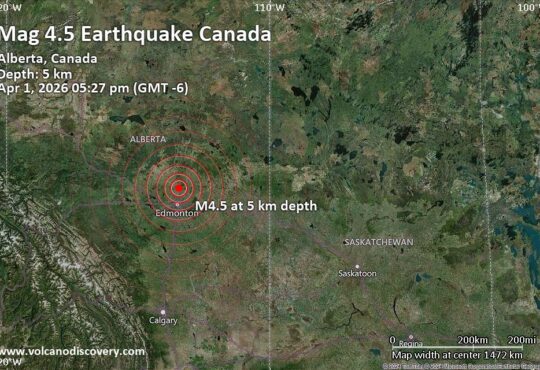
Alberta’s real Gross Domestic Product (GDP) forecast for 2026 has seen a significant upward revision, ATB reported on Thursday. The financial institution noted that rising oil prices position Canada’s largest oil producer to better navigate global economic uncertainty. However, the report acknowledges that this improved outlook may not immediately translate into relief for citizens facing high costs at gas pumps and grocery stores.
Alberta’s Economic Outlook Improves
ATB’s latest economic outlook, released March 26, projects Alberta’s real GDP will grow by 2.7 percent in 2026, an increase from its December forecast of 2.1 percent. The province’s nominal GDP is now anticipated to rise by six percent, a substantial jump from the 0.7 percent projected in December.
Mark Parsons, ATB’s chief economist, stated that geopolitical crises, including the war in Iran and disruptions in the Strait of Hormuz, have severely impacted energy markets. Parsons believes Alberta’s robust oil sector will act as a buffer.
“The surge in oil prices — we think that’s going to shield Alberta from the worst of it,” Parsons said.
Parsons explained the distinction between real and nominal GDP. Nominal GDP reflects the value of what is produced, meaning higher oil prices yield more revenue per barrel. Real GDP, conversely, measures economic activity and job creation.
“Higher oil prices means we get more for every barrel we produce,” Parsons noted. “That’s a big income left to the province. Real GDP is economic activity — jobs — like whether that money translates into more of the volume of output we produce, or more employment.”
He added that while Alberta expects a substantial increase in nominal GDP due to higher earnings, the same proportional increase in real GDP is not anticipated, as not all additional money will be spent within the provincial economy.
Citizen Impact and Cost of Living
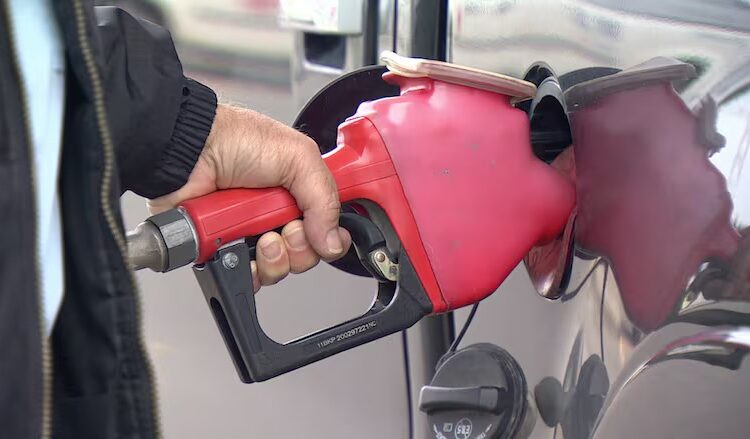
Despite the improved economic forecast, Parsons acknowledged that many Albertans continue to grapple with the high cost of living. Prices for essential goods, such as gasoline and groceries, remain elevated.
“The cost of living is going up,” Parsons said. “This isn’t going to happen overnight, where people are going to feel better about their employment prospects.”
He suggested that Alberta’s conditions are relatively better than other regions, contributing to continued migration into the province. Marisa Breeze, senior press secretary to Finance Minister Nate Horner, echoed this sentiment.
“Alberta’s government knows our province is well-positioned to weather current economic uncertainty, even as global pressures affect costs,” Breeze stated.
Breeze highlighted Alberta’s strong economic footing, citing approximately 85,000 jobs added over the past year and unemployment dropping to a two-year low of 6.3 percent. She also noted continued growth in oil production and exports.
“As a net energy exporter, Alberta is also positioned to weather higher oil prices, which can support stronger GDP growth, higher incomes and increased revenues, even as we remain mindful of cost pressures on households,” Breeze added.
Oil Price Volatility and Future Projections
Richard Masson, former CEO of the Alberta Petroleum Marketing Commission, emphasized the ongoing market volatility. ATB’s report increased its West Texas Intermediate (WTI) oil price forecast for 2026 to $75 US a barrel.
“This report has increased the WTI (West Texas Intermediate) oil price forecast for 2026 to $75 US a barrel, which is up a fair bit from where it was,” Masson said. “But the world is actually in much worse shape, I think, than that reflects.”
Masson anticipates continued upward pressure on global oil and natural gas prices in the coming weeks. He expects this trend to generate more revenue for Alberta companies and the provincial government.
“So that’s going to result in more revenue for Alberta companies and for governments. And the question will be, what does it mean for investment and for jobs, right?” Masson questioned.
Why This Matters
Alberta’s revised GDP forecast underscores the province’s unique economic reliance on the energy sector. While rising oil prices offer a significant fiscal boon to the government and energy companies, shielding the provincial economy from broader global downturns, the benefits do not uniformly extend to all citizens.
The disconnect between robust economic indicators and the everyday experience of high living costs highlights a critical policy challenge. The provincial government faces the task of balancing increased revenues with addressing household affordability concerns. This economic duality could shape public sentiment and policy decisions regarding resource revenue management and social programs.
Furthermore, the ongoing global energy crisis positions Alberta as a crucial player in international markets. The province’s ability to increase oil production and exports, coupled with sustained high prices, will continue to influence its economic trajectory and its role in global energy security discussions.
add a comment